
How to Position a Luxury Property for the Right Buyer — Not Just the Widest Audience
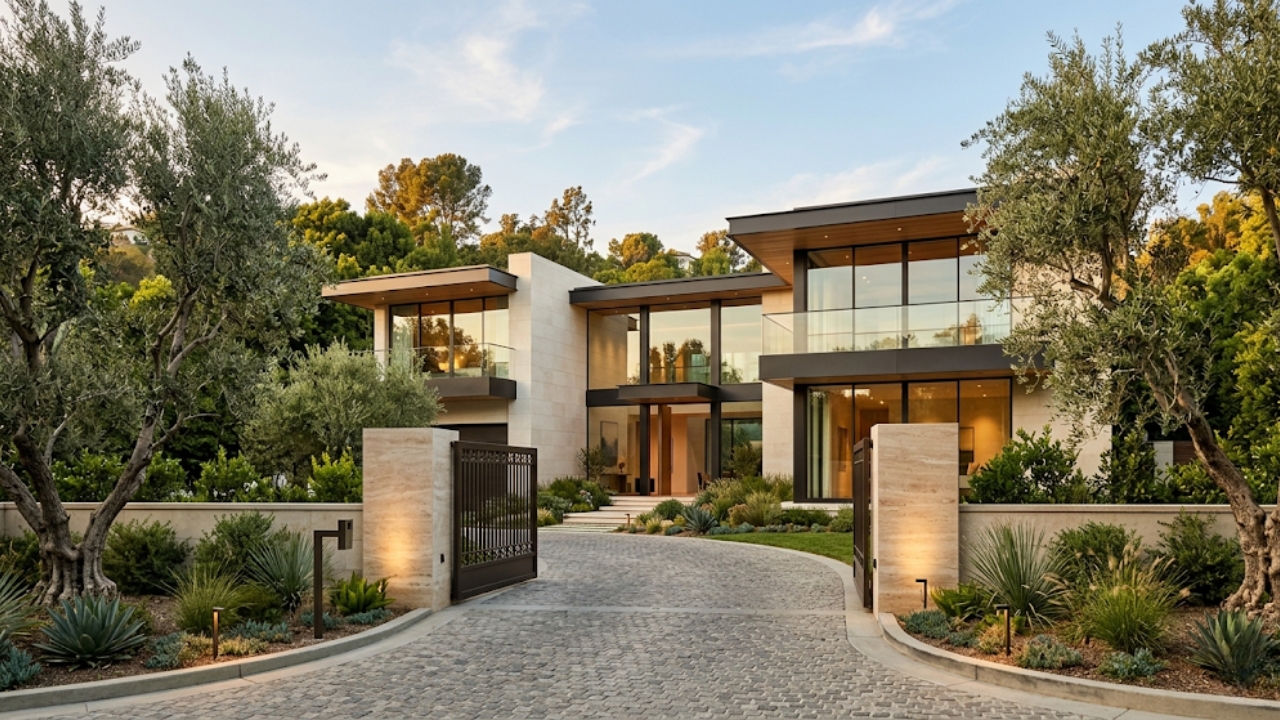
There is a common assumption in real estate marketing that maximum exposure equals maximum results. The logic seems intuitive: the more buyers who see a property, the more likely it is to sell quickly and at a strong price. In the broader residential market, that logic holds reasonably well. In the luxury market — particularly at the level of Beverly Hills and the surrounding communities — it often leads to the wrong outcome.
The Problem with Broad Exposure
When a property at the high end of the luxury market is listed publicly with maximum exposure from day one, something happens that many sellers do not anticipate. The property enters the market in a moment of maximum visibility — and maximum vulnerability. Every buyer who sees it, every agent who previews it, and every market observer who tracks it begins to form an opinion. Days on market accumulate. Price reductions become visible. And a narrative develops that is very difficult to reverse: the property that was once new and exciting becomes, in the market's perception, a property that the right buyer has somehow not yet chosen.
This is the dynamic that sophisticated sellers — and their advisors — work deliberately to avoid. Once a luxury property is perceived as having been passed over, the negotiating dynamic shifts in ways that are difficult to recover. The buyer who enters the conversation when a property has been on market for sixty or ninety days is a buyer who knows they have leverage. The seller who enters that conversation without a strong counter-narrative is in a weakened position.
Targeted Positioning as a Strategic Choice
The alternative to broad, undifferentiated exposure is targeted positioning — a deliberate approach to identifying the most qualified buyer for a specific property and building the presentation and outreach strategy around that buyer profile.
Targeted positioning begins long before a property launches. It starts with an honest assessment of the property's genuine strengths: its location, its architecture, its privacy, its lifestyle fit, and the specific kind of buyer who will recognize those qualities most immediately. A property with a strong indoor-outdoor connection and a wellness-focused design does not appeal to every luxury buyer equally. But for the right buyer — perhaps an international family, perhaps a design-forward executive, perhaps a buyer transitioning from a primary residence in another city — it may be exactly what they have been unable to find anywhere else.
Understanding who that buyer is, and how to reach them, is the work of strategic luxury representation.
The Off-Market Advantage for Sellers
For many luxury sellers, an off-market or pre-market strategy is not simply a matter of discretion — it is a matter of strategic leverage. When a property is introduced privately to a curated set of qualified buyers through trusted advisor relationships, the dynamic is fundamentally different from a public listing. The property is not yet subject to public scrutiny. Days on market are not accumulating. The seller retains full optionality — to adjust, withdraw, or proceed — without the market having formed a view.
In some cases, a property transacts entirely through this private process — at or above where a public listing would have landed — without ever appearing on the public market. In other cases, the pre-market process generates qualified feedback that informs how the property is positioned when it does launch publicly, with a far stronger first impression as a result.
Presentation as a Component of Positioning
In the luxury market, how a property is presented is inseparable from how it is perceived. The quality of the photography, the editorial framing of the narrative, the precision of the property description, and the caliber of the materials used to introduce the property to potential buyers all contribute to the first impression — and first impressions in this market are very difficult to revise.
Sellers who invest in presentation quality are not simply making their property look better. They are communicating something about the level of transaction being offered. A luxury buyer considering a significant acquisition is bringing genuine judgment to their evaluation process. When the materials they receive reflect a high standard of care and professionalism, that judgment is satisfied before they ever walk through the door. When the materials feel generic or below the standard of the price point, skepticism is introduced before the showing has begun.
JB's Perspective
The sellers I work with most effectively are those who have already internalized the difference between a transaction and a positioning process. They understand that their property is not simply an item for sale — it is an asset that deserves to be introduced to the market with the same care and strategic thinking that went into acquiring it.
My approach to representing luxury properties is built around this principle: before we talk about where the property will be listed, we talk about who is going to buy it, what they care about, and how we build the presentation and the outreach strategy to reach them with precision. That conversation does not take longer than a conventional listing process. But it consistently produces better outcomes — for the seller, and for the buyer who ultimately finds exactly what they were looking for.
Frequently Asked Questions
Why doesn't broad public exposure always work for luxury property sales in Beverly Hills?
In the Beverly Hills luxury market, broad public exposure can work against sellers by accelerating days-on-market accumulation and shifting negotiating leverage toward buyers. Once a high-end property has been widely seen without transacting, the market forms a narrative that is difficult to reverse. Targeted positioning — reaching the most qualified buyer through private, advisor-led outreach — consistently produces stronger outcomes at this price level.
What does an off-market strategy mean for a luxury seller in Los Angeles?
For a seller in Los Angeles, off-market means introducing a property privately to a curated set of qualified buyers through trusted advisor relationships — before or instead of a public listing. This preserves full optionality, avoids the stigma of extended market time, and creates a transaction environment in which both parties can engage without the pressure of public scrutiny. The result is often a cleaner transaction at a stronger price.
How does presentation quality affect the sale price of a luxury property?
In the luxury market, presentation quality directly shapes buyer perception before a showing even begins. The caliber of photography, editorial narrative, and marketing materials communicates the standard of the transaction being offered — and serious buyers at this level notice immediately when that standard falls below the price point. Properties presented with precision tend to attract more qualified interest and negotiate from a meaningfully stronger position.
A Final Thought
The best luxury transactions are not accidents of exposure. They are the result of strategic preparation, honest positioning, and representation that understands the difference between reaching everyone and reaching the right one. In a market as selective as Beverly Hills, that distinction matters more than any marketing budget.
If you are considering selling a luxury property in Beverly Hills or Los Angeles, JB can walk you through a targeted positioning strategy designed for your specific property and the buyers most likely to recognize its value. Connect directly for a private conversation.
Contact JB Directly →