

Beverly Hills Flats: What Buyers Relocating to Los Angeles Should Know

Published: October 3, 2026

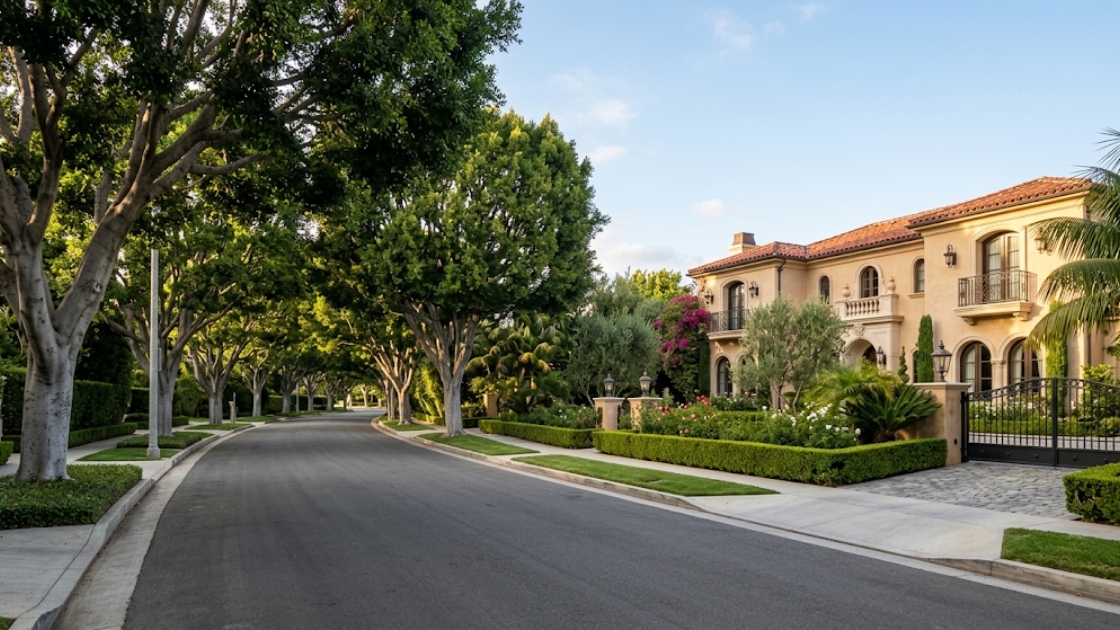
When buyers from other parts of the country first describe what they are looking for in Los Angeles, the Beverly Hills Flats is often what they are picturing — even if they do not know it by that name yet. The wide, quiet residential streets. The mature tree canopy. The proximity to Rodeo Drive, the best restaurants, and the cultural institutions without being in the middle of them. The sense of established residential life that does not feel like a suburb.

But there is a version of the Beverly Hills Flats that buyers imagine and a version they encounter when they begin to look closely. I find that the buyers who choose this enclave thoughtfully — rather than by proximity to a familiar name — tend to be the ones who understand what it genuinely offers, what it does not offer, and how it compares to the other Beverly Hills sub-markets and adjacent neighborhoods they may also be considering.

This is a guide to the Beverly Hills Flats written for someone coming from another US state. It is meant to give you the kind of perspective that takes longer to absorb when you are touring from out of town.

What the Beverly Hills Flats Actually Is

The Beverly Hills Flats refers to the residential grid of streets in the flat, level portion of Beverly Hills — south of Sunset Boulevard and generally above Santa Monica Boulevard, though the southern boundary is debated. The canonical streets include Lexington Road, Elm Drive, Bedford Drive, Rodeo Drive (the residential portion north of Wilshire), Walden Drive, and several of the north-south and east-west corridors that make up the central residential fabric of the city.

What defines this area is its architectural variety and its density of significant homes on comparatively manageable lots. Lots in the Flats are typically in the fifteen thousand to thirty thousand square foot range, which is notably smaller than what you find in Holmby Hills, Bel Air, or Trousdale Estates. But the streets are wider, the character is more established, and the sense of a walkable, livable neighborhood is more present here than in almost any other part of the Los Angeles luxury corridor.

The Flats is also fully within the City of Beverly Hills — which is a separate municipality from the City of Los Angeles. This is a distinction that matters practically: Beverly Hills has its own police department, its own school district (Beverly Hills Unified), and its own city services. For buyers relocating with school-age children, access to the Beverly Hills Unified School District is often one of the primary considerations driving their interest in this enclave specifically.

How the Flats Compares to Other Beverly Hills Sub-Markets

Beverly Hills is not a single, uniform market. It contains several distinct sub-markets that attract meaningfully different buyers. Understanding where the Flats sits in that context is useful for any buyer considering the broader Beverly Hills area.

Beverly Hills Post Office (BHPO) occupies the canyon areas north and above the flat residential grid. Properties there carry a Beverly Hills mailing address and sometimes access to Beverly Hills Unified, but they are actually within the City of Los Angeles. This distinction affects city services, property tax treatment, and several other practical considerations. BHPO properties tend to offer more land and more canyon character at generally lower prices per square foot than the flat grid of the Flats.

Trousdale Estates is a distinct enclave in the hills above Sunset, characterized by its mid-century modern architectural heritage and its curated buyer profile. Lots there are typically smaller, views can be significant, and the community has a distinct aesthetic character. It draws a different buyer than the Flats.

Holmby Hills sits to the west, between Beverly Hills and Bel Air, and is known for its larger estates and its established ultra-high-net-worth buyer profile. Price points there tend to be higher, and the scale of properties is generally larger.

The Flats occupies a specific position in this landscape: accessible, established, walkable, and within the City of Beverly Hills proper. For buyers who want urban convenience alongside residential character — and who are not primarily focused on privacy at estate scale — it tends to be the right fit.

What Relocating Buyers from Other States Discover About the Flats

Buyers coming from New York City often respond to the Flats with immediate recognition. The residential grid, the walkability, the proximity to commercial areas without being inside them — these are reference points that feel familiar. What surprises many New York buyers is the lot size. Even though the Flats has smaller lots by Beverly Hills standards, they are significantly larger than what most New York buyers have encountered, and the private outdoor space tends to be a revelation.

Buyers from Texas — particularly Houston and Dallas — are often more focused on scale and arrival. The Flats can feel modest to buyers accustomed to larger compounds in gated communities, and some Texas buyers ultimately gravitate toward Bel Air or the lower canyons for more estate-scale properties. Others appreciate the Flats’ proximity and walkability once they spend time in the neighborhood.

Florida buyers, particularly those from Palm Beach or Miami, often compare the architectural character of the Flats to their home market. The Flats has architectural range — Mediterranean, Spanish Colonial, traditional, and contemporary — that resonates with buyers from markets that have a similarly diverse residential vocabulary. The key difference is seasonality: the Flats is a year-round residential enclave in a mild climate, which many Florida buyers find initially surprising to value as highly as they eventually do.

One consistent observation I share with all relocating buyers is this: the Beverly Hills Flats rewards patience. The inventory is limited, the turnover is lower than in some other luxury enclaves, and the best properties at this location tend to attract attention quickly. Buyers who have taken the time to understand the enclave before they need to make a decision are consistently better positioned.

Jean Baptiste (JB) Rugiero's Advisor Perspective

I advise buyers considering the Beverly Hills Flats to do two things before they begin their search in earnest. First, spend time in the neighborhood — not on Rodeo Drive, but on the residential streets. Walk Lexington Road on a weekday morning. Drive through the Elm Drive and Bedford Drive corridors. Understand the character of the streets you are considering before you are looking at a specific property. The neighborhood rewards presence and familiarity.

Second, understand the practical distinctions before they matter. The school district question, the city services question, the lot size question — these are all variables that affect how much a property is worth to you specifically, not just what the market says it is worth in general. I work with relocating buyers to work through these variables early, so that when the right property appears, the decision is already informed.

The Beverly Hills Flats is one of the most consistent enclaves in the Los Angeles luxury market. It does not offer canyon privacy or estate-scale land. What it offers is the most established form of Beverly Hills residential life — with real walkability, city-within-a-city services, and an architectural character that rewards buyers who value it.

Frequently Asked Questions

Is the Beverly Hills Flats a good choice for buyers relocating with school-age children?

For buyers with children, the Beverly Hills Unified School District is often a significant consideration — and properties within the City of Beverly Hills (which includes the Flats) are generally within the district’s attendance boundaries. The district is well regarded and is one of the reasons buyers from other states specifically target the Flats over other adjacent luxury enclaves. I typically advise buyers to confirm current enrollment policies and boundaries directly with the district, as these can change, and to work with an advisor who can help clarify which specific properties fall within the intended district.

How does lot size in the Beverly Hills Flats compare to what buyers from Texas or Florida might expect?

The Beverly Hills Flats has smaller lots than many Texas and Florida buyers expect. Typical residential lots range from roughly fifteen to thirty thousand square feet — significantly smaller than the acre-plus lots common in gated communities in Houston, Dallas, or Palm Beach. However, the usable outdoor space and the quality of the streetscape in the Flats tend to feel more residential and more connected to the neighborhood than larger lots set behind gates in other markets. Buyers who initially feel the lots are small often find that once they spend time in the neighborhood, the tradeoffs feel more favorable than they expected.

What is the difference between Beverly Hills Flats and Beverly Hills Post Office for a buyer considering both?

This is one of the most common questions I address with buyers new to the Los Angeles market. The Beverly Hills Flats is within the City of Beverly Hills — a separate municipality with its own police, fire, and school district. BHPO properties carry a Beverly Hills mailing address but are within the City of Los Angeles, with different city services and a different tax and permit structure. BHPO generally offers more land and canyon character at a lower price per square foot, while the Flats offers the infrastructure and residential proximity of the city proper. The right answer depends on what a buyer is optimizing for — and I find it is worth walking through that question carefully before a search begins.

Final Thought

The Beverly Hills Flats is the Beverly Hills that most people picture when they think of the address — and it is also one of the most nuanced enclaves in the Los Angeles luxury market to buy into well. For relocating buyers, the learning curve is primarily about understanding what the Flats offers and what it does not, how it compares to the enclaves immediately adjacent to it, and what the practical distinctions of living within the City of Beverly Hills actually mean.

I have worked with buyers from across the country who have made this neighborhood their primary home, and the consistent pattern is that the buyers who took the time to understand the Flats before they began their search were the ones who were most satisfied with their decision. If you are considering Beverly Hills as part of a relocation to Los Angeles, I welcome a conversation at whatever stage of planning you are in.

The Luxury Buyer's Guide to Beverly Hills and Los Angeles Real Estate

A practical starting point for buyers considering a move to Beverly Hills or Los Angeles — covering the distinctions across neighborhoods, what to look for in each enclave, and how to approach an acquisition in the LA luxury market.

The information provided in this blog is for educational and informational purposes only and does not constitute legal, financial, or real estate advice. Always consult a qualified California real estate attorney and licensed professional before making any real estate decisions.

Private consultation

For a private conversation about buying, selling, or investing in Beverly Hills, Los Angeles, or internationally, reach out to Jean Baptiste (JB) Rugiero directly.

Contact JB ->

The Agency profile

Explore Jean Baptiste (JB) Rugiero's current listings, past transactions, and full profile on The Agency.

View Profile ->

More From The Journal

Work With JB

For a private conversation about buying in Beverly Hills Flats, Bel Air, or anywhere along the Los Angeles luxury corridor, reach out to Jean Baptiste (JB) Rugiero directly.