
What Buyers Should Know Before Purchasing
a Luxury Home in Beverly Hills
Buying a luxury home in Beverly Hills is very different from purchasing a traditional residential property. Pricing dynamics, privacy considerations, negotiation strategy, and long-term value all operate at a higher level of complexity. Buyers who understand these nuances are far better positioned to make confident decisions and avoid costly missteps.
Whether you are purchasing a primary residence, a second home, or a long-term investment, this guide outlines the most important factors every buyer should consider before entering the Beverly Hills luxury real estate market.
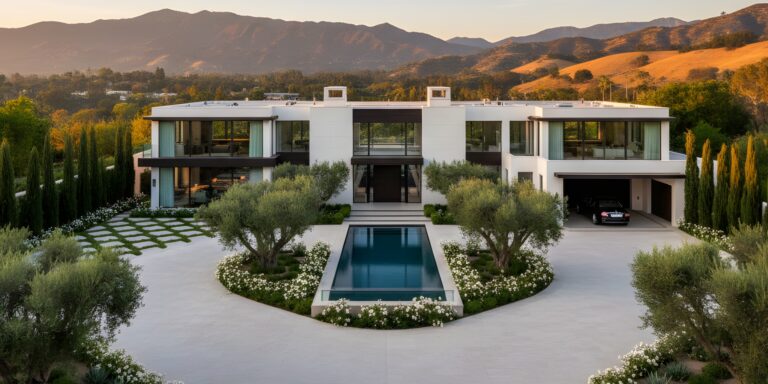
1. Beverly Hills Is a Collection of Micro-Markets — Not One Market
One of the most common misconceptions about Beverly Hills is that it functions as a single, unified market. In reality, values can vary dramatically depending on:
- Street location
- Lot size and orientation
- Views and elevation
- Architectural style
- Privacy and security features
- Proximity to commercial corridors
For example, two homes with similar square footage can command vastly different prices based on privacy, frontage, or whether the property sits on a coveted flat lot.
Buyers who rely solely on price-per-square-foot metrics often misjudge value. In luxury markets, scarcity, lifestyle appeal, and intangibles matter just as much as size.
Read about How High-Net-Worth Buyers Evaluate Luxury Real Estate in Los Angeles (Pillar 3)
2. Off-Market Opportunities Play a Significant Role
Many luxury homes in Beverly Hills are never publicly listed. High-profile sellers often prioritize discretion over maximum exposure, leading to private or off-market transactions.
Access to these opportunities typically comes through:
- Established agent networks
- Direct outreach
- Relationship-driven introductions
For buyers, this means the best property for their needs may not appear on public portals. Working with an advisor who actively tracks private inventory can expand available options and reduce competition.
Read about Off-Market Luxury Homes in Los Angeles: How Private Sales Really Work (Pillar 1)
3. Pricing Is Strategic — Not Emotional
Luxury home pricing is not driven solely by comparable sales. In Beverly Hills, pricing reflects a combination of:
- Market momentum
- Buyer psychology
- Property uniqueness
- Timing and inventory levels
Overpriced homes often linger, leading to price reductions that weaken negotiating leverage. Conversely, properly positioned properties can generate strong buyer interest even in slower market cycles.
For buyers, understanding whether a property is priced strategically — or aspirationally — can create leverage during negotiations.
Read about How to Price a Luxury Home in Beverly Hills to Attract Serious Buyers (Pillar 1)
4. Architecture and Design Directly Impact Long-Term Value
Design-forward homes perform differently than conventional luxury properties. Architectural relevance, build quality, and layout efficiency influence both lifestyle enjoyment and resale performance.
Key considerations include:
- Timeless vs. trend-driven design
- Indoor–outdoor flow
- Ceiling height and natural light
- Functional floor plans
Homes with strong architectural identity often maintain value better over time, particularly when paired with prime location and privacy.
5. Privacy and Security Are Core Value Drivers
For many Beverly Hills buyers, privacy is not a luxury — it is a requirement.
Factors that influence privacy include:
- Gated access
- Landscaping and setbacks
- Street visibility
- Security infrastructure
Two similarly priced homes can feel dramatically different depending on how well privacy is integrated into the property. Buyers should evaluate privacy early, not as an afterthought.
6. Negotiation Strategy Matters More Than Price Alone
Winning a luxury property does not always mean offering the highest price. Sellers often prioritize:
- Certainty of close
- Clean contract terms
- Buyer credibility
- Timing and flexibility
Well-structured offers can outperform higher offers with weaker terms. Understanding what truly motivates a seller is often the difference between securing a property and losing it.
Read about How to Win in Competitive Luxury Real Estate Markets in Los Angeles (Pillar 1)
7. Inspections Are More Complex in Luxury Homes
Luxury homes frequently include advanced systems such as:
- Smart-home automation
- Pools and wellness features
- Custom HVAC and electrical systems
- Specialty materials
Inspections should be approached as a risk-management process, not a checklist. Buyers should understand which issues are negotiable, which are expected, and which materially affect value.
8. Beverly Hills Is a Long-Term Market
Luxury transactions are nuanced. Local expertise helps buyers:
- Interpret pricing accurately
- Identify hidden risks
- Navigate private inventory
- Structure competitive offers
Online data alone rarely tells the full story in Beverly Hills.
Read about Why Local Expertise Matters in Los Angeles Luxury Real Estate (Pillar 3)
Final Thoughts
Buying a luxury home in Beverly Hills is both a financial and lifestyle decision. The most successful buyers approach the process with clarity, patience, and informed strategy.
Understanding micro-markets, pricing psychology, privacy factors, and negotiation dynamics allows buyers to move confidently — and avoid costly mistakes.
For buyers considering Beverly Hills real estate, preparation is the strongest advantage.