

Lower Bel Air: What Buyers Relocating to Los Angeles Should Know

Published: November 7, 2026

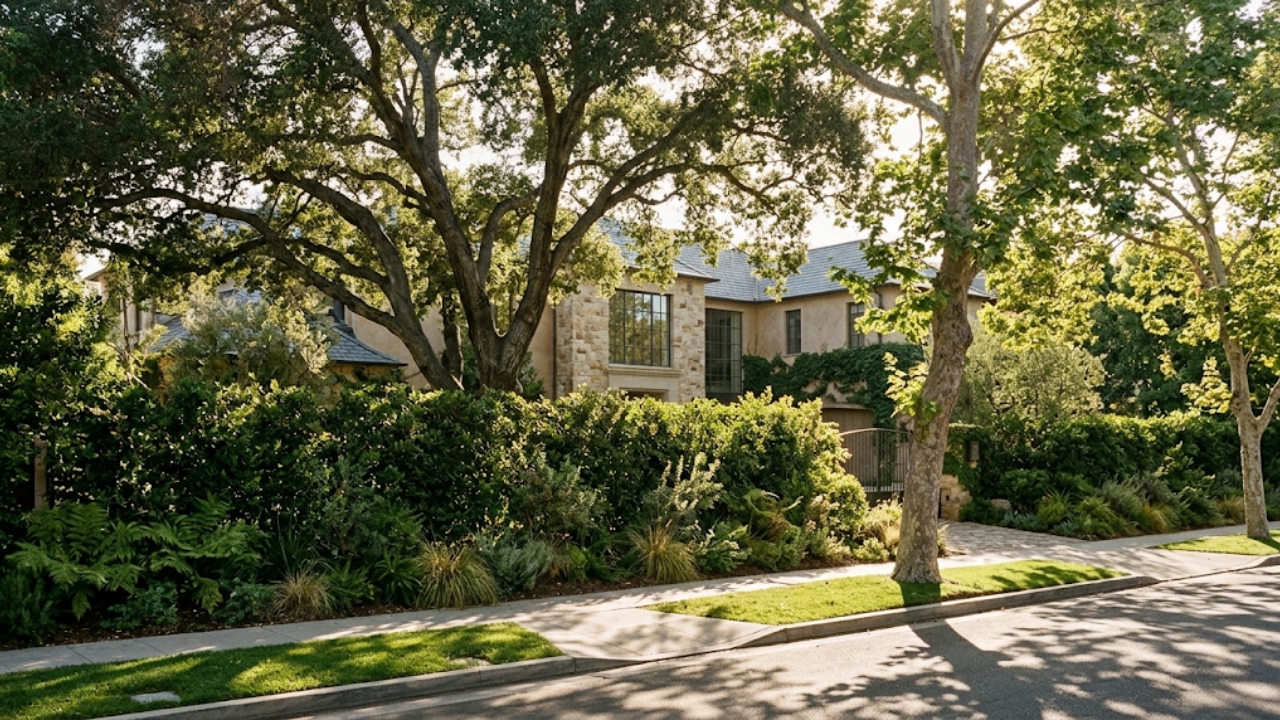
Lower Bel Air luxury estate along the Bel Air Road corridor, Los Angeles

Lower Bel Air — the corridor that runs along Bel Air Road and the streets that branch from it toward the eastern reaches of the enclave — is one of the neighborhoods I introduce most often to buyers who are coming to Los Angeles from New York, Texas, Florida, or the Pacific Northwest. Not because it is the most famous address in the city, but because it consistently delivers a combination of attributes that buyers from other markets find genuinely hard to locate in a single neighborhood anywhere in Los Angeles.

Jean Baptiste Rugiero, a Beverly Hills-based luxury real estate advisor with The Agency, works with buyers relocating from across the United States who are evaluating neighborhoods throughout the Los Angeles luxury corridor. Lower Bel Air is one of the pockets I recommend considering carefully before any decision is made. Understanding what makes it function — and what distinguishes it from the neighborhoods most buyers have heard of — is where that evaluation should begin.

What Most Buyers Don't Know About This Pocket

The name “Bel Air” carries recognition, but most buyers who are coming to Los Angeles for the first time associate it primarily with the winding roads and dense tree canopy of the upper gates — the neighborhoods visible from Mulholland, the estates that require a twenty-minute climb to reach. Lower Bel Air is different in character. The Bel Air Road corridor runs along the base of the hillsides, where the terrain is relatively flat, the parcels are large, and the sense of estate-scale space is genuine rather than aspirational.

What I find when I introduce buyers from outside Los Angeles to this neighborhood is that it consistently surprises them. They expected something more remote, more difficult to navigate, or less practically connected to the city. What they encounter instead is a neighborhood that is ten to fifteen minutes from Beverly Hills, twenty minutes from the Westside’s strongest amenities, and yet maintains a quality of privacy and seclusion that most urban buyers have not experienced at this level before.

The gated character of Bel Air is a key distinction from most Los Angeles neighborhoods worth naming clearly. The road closures and controlled access across the Bel Air road network create an ambient level of security and privacy that is genuinely different from ungated neighborhoods at comparable price points. For buyers relocating from gated communities in Texas or Florida, this is immediately familiar. For buyers coming from New York, who may be accustomed to security through anonymity rather than access control, it is often a new and welcome discovery.

What Makes Lower Bel Air Distinctive

Several characteristics of this corridor stand out from what buyers typically find in comparable segments of the Los Angeles luxury market.

Parcel sizes in Lower Bel Air tend to be generous — many properties along the Bel Air Road corridor sit on lots of half an acre or more. That scale allows for the kind of outdoor programming that is simply not achievable on the tighter subdivisions of some adjacent neighborhoods: motor courts with real arrival presence, pool and terrace areas designed for genuine use, guest structures with appropriate separation, and garden spaces that feel like landscape rather than decoration. For buyers who have been living in dense urban environments and are coming to Los Angeles specifically to gain that kind of space, this corridor tends to land very differently than the first look at a map would suggest.

Architectural variety here is real. Unlike some pockets of Beverly Hills where the residential aesthetic has become somewhat uniform, Lower Bel Air supports a genuine range: mid-century modern estates, traditional Georgians, updated Hamptons-style residences, and contemporary architecturally driven builds all coexist along the same streets. For buyers with a specific aesthetic vision — and buyers from other major markets often do arrive with a clear sense of what they want — there is typically something in this corridor that aligns with it.

Daily access and connectivity are questions I address directly with every buyer who is considering this neighborhood. Los Angeles driving is real, and a neighborhood that feels close on a map may involve a different commute in practice. Lower Bel Air’s position — near Sunset Boulevard, with access west toward Brentwood and Malibu or east toward Beverly Hills and West Hollywood — makes it notably practical by Westside standards. I walk every buyer through the specific routes they will be making based on where they are going on a typical day before we go further in evaluating any property here.

What Buyers Relocating from Other States Should Consider

Buyers from New York often need to recalibrate their intuitions when evaluating Los Angeles neighborhoods. Distance and travel time carry different meaning here than they do in a walkable, transit-served city. A neighborhood that maps close to central Beverly Hills may involve a real drive during peak hours. Lower Bel Air’s Westside connectivity compares well against most alternatives at its price point, but I always recommend buyers actually experience the drives before committing to a neighborhood — not just study them on a screen.

Buyers from Texas and Florida tend to arrive with different reference points. They are more accustomed to driving as the primary mode of movement, they often prioritize lot size and privacy in ways that buyers from New York initially do not, and they are frequently familiar with gated community living at a residential scale. For this profile, Lower Bel Air tends to be an immediate fit — the lot sizes are meaningful, the gated access is familiar, and the estate character of the neighborhood matches what they are accustomed to, translated into a Southern California setting.

School district considerations are important for buyers with families, and I always recommend consulting a qualified education advisor for current enrollment information tied to specific addresses — these details are address-specific and can change in ways that a general neighborhood overview cannot capture.

Jean Baptiste (JB) Rugiero's Advisor Perspective

When I introduce out-of-state buyers to Lower Bel Air, what I typically tell them is this: this is a neighborhood that rewards buyers who are willing to spend time actually in it before making any judgment about it. The streets are quieter than most people expect. The properties sit on their lots with a sense of scale that does not translate fully through photography. The access to the broader Westside is more natural than the name “Bel Air” tends to suggest to people who have never navigated it.

In my experience working across the full Los Angeles luxury corridor, Lower Bel Air is one of the neighborhoods that consistently delivers what it represents — estate-scale living, real privacy, architectural variety, and a location that has remained genuinely desirable through every cycle I have observed. For buyers coming from other markets who are evaluating the full range of what Los Angeles has to offer, I consider it an important neighborhood to understand before any decision is made.

Jean Baptiste (JB) Rugiero works with buyers relocating to Los Angeles from across the United States. If you are evaluating Lower Bel Air or any other neighborhood in the Westside luxury corridor, I am available for a private conversation and, when the timing is right, a guided tour of the neighborhood itself.

Frequently Asked Questions

How does Lower Bel Air compare to Holmby Hills for buyers considering both neighborhoods?


They share a sense of estate-scale privacy and proximity to Beverly Hills, but their characters differ. Holmby Hills sits between Beverly Hills and Bel Air, with flat terrain and a neighborhood feel that many buyers describe as park-like and open. Lower Bel Air has more topographic variation along the corridor and the additional security layer of Bel Air’s gated access. Buyers who prioritize flat, walkable property and proximity to Beverly Hills tend to gravitate toward Holmby Hills. Buyers who want larger parcels, natural screening, gated community character, and a stronger sense of separation from the surrounding city often find Lower Bel Air more compelling.

Is Lower Bel Air well-suited for buyers who plan to entertain at home?


In my experience, it is one of the more practical neighborhoods in Los Angeles for that purpose. The lot sizes and single-family estate character of the corridor support indoor-outdoor entertaining at a meaningful scale — motor courts for arrival, pool and terrace areas, the kind of indoor flow that accommodates a serious dinner or a larger gathering. Many of the properties I have seen in this pocket have been designed with that use in mind, and the gated setting means that a private event remains genuinely private. Whether a specific property delivers on that depends on its layout and condition, which I assess individually with each buyer.

What price range does Lower Bel Air typically represent?


Lower Bel Air spans a meaningful range depending on the property, lot size, architecture, age, condition, and whether any views are present. I prefer not to offer specific price benchmarks in a format like this, because those figures shift with the market and can mislead buyers who apply them too broadly. What I will say is that Lower Bel Air tends to represent one of the stronger value propositions in the Bel Air and Beverly Hills corridor — comparable prestige and privacy, with parcels that often exceed what a similar budget delivers in some adjacent neighborhoods. A private conversation is the best context for discussing current market positioning with the specificity a relocation decision requires.

Final Thought

Lower Bel Air is a neighborhood that earns the attention of buyers who take the time to understand it. It is not as frequently discussed in the broader conversation about Los Angeles real estate as Holmby Hills or the upper Bel Air gates, but it offers a combination of estate scale, gated privacy, architectural variety, and Westside access that few other pockets in the city can match at its price point. If you are relocating from another state and want to explore what this neighborhood looks and feels like, I am glad to show it to you.

Related Reading:

The Luxury Buyer's Guide to Beverly Hills and Los Angeles Real Estate

A private resource for buyers evaluating neighborhoods across the LA luxury corridor — what to know about each enclave, how to approach the search, and what out-of-state buyers consistently miss.

The information provided in this blog is for educational and informational purposes only and does not constitute legal, financial, or real estate advice. Always consult a qualified California real estate attorney and licensed professional before making any real estate decisions.

Private consultation

For a private conversation about buying, selling, or investing in Beverly Hills, Los Angeles, or internationally, reach out to Jean Baptiste (JB) Rugiero directly.

Contact JB ->

The Agency profile

Explore Jean Baptiste (JB) Rugiero's current listings, past transactions, and full profile on The Agency.

View Profile ->

More From The Journal

Work With JB

For a private conversation about Lower Bel Air, or any neighborhood across the Los Angeles westside luxury corridor, reach out to Jean Baptiste (JB) Rugiero directly.