
Why Local Expertise Matters in Los Angeles Luxury Real Estate
Los Angeles is one of the most recognizable luxury real estate markets in the world. From iconic estates in Beverly Hills to modern architectural homes in the Hollywood Hills and coastal properties in Venice and Malibu, the city offers an extraordinary range of high-end real estate opportunities.
But buying or selling luxury property in Los Angeles is rarely straightforward.
Unlike smaller or more uniform housing markets, Los Angeles is a complex network of micro-markets, zoning overlays, architectural styles, and neighborhood dynamics. Two homes located only a few blocks apart may have very different pricing, buyer demand, and long-term investment potential.
This is why local expertise matters so much in the Los Angeles luxury real estate market.
Whether someone is purchasing a $5 million home or a $30 million estate, understanding the nuances of location, architecture, regulations, and buyer psychology can make the difference between a smart acquisition and a costly mistake.
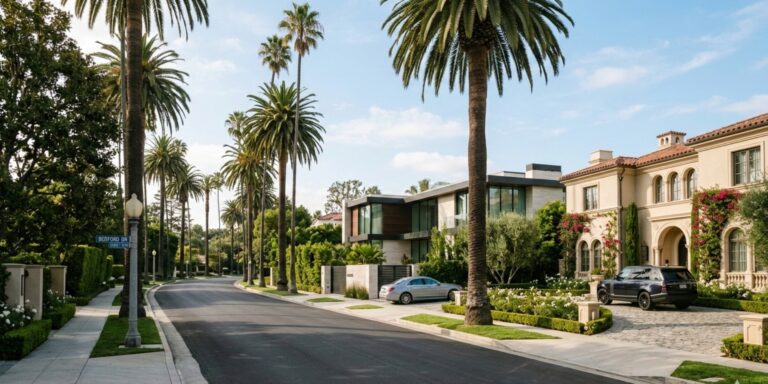
Los Angeles Is Not One Market — It Is Many Micro-Markets
One of the most important things serious buyers learn quickly is that Los Angeles does not behave like a single real estate market.
Instead, it operates as a collection of distinct luxury micro-markets.
For example, Beverly Hills, Bel Air, Brentwood, and Pacific Palisades all fall within the broader Los Angeles luxury category. Yet each of these neighborhoods has its own buyer demographics, price patterns, architectural preferences, and lifestyle appeal.
Even within a single neighborhood, micro-location matters.
In Beverly Hills, homes in the Flats often attract buyers looking for walkability and classic estate living. In Trousdale Estates, demand tends to center around mid-century architectural homes with sweeping city views. In Venice Beach, modern design and proximity to Abbot Kinney Boulevard can significantly influence property value.
A buyer unfamiliar with these distinctions might assume that two homes in the same ZIP code should have similar value. In reality, the difference in desirability between streets, elevations, or view corridors can be substantial.
Local expertise helps buyers and sellers interpret these differences accurately.
Understanding True Property Value Beyond Price per Square Foot
In many housing markets, buyers rely heavily on price per square foot to evaluate value. In Los Angeles luxury real estate, that metric only tells part of the story.
High-end buyers consider a much broader set of factors, including:
- Architectural pedigree
- View quality
- Lot configuration
- Privacy and security
- Interior scale and ceiling height
- Indoor-outdoor flow
- Street prestige
- Long-term resale potential
For instance, a property in the Hollywood Hills with unobstructed city views may command a premium even if the interior square footage is smaller than nearby homes.
Similarly, a newly built estate in Brentwood with high-end materials and modern design may sell faster than a larger but dated property nearby.
Local professionals who work within these neighborhoods daily develop a deeper understanding of what actually drives value in each segment of the market.
Local Knowledge Helps Buyers Avoid Expensive Mistakes
Luxury properties often involve complexities that are not immediately obvious during a showing.
Examples include:
- Hillside development restrictions
- Coastal Commission regulations
- Historical preservation guidelines
- Zoning limitations for remodeling or expansion
- Noise exposure or traffic patterns
- View protection issues
In neighborhoods like Malibu or Venice, properties may fall within Coastal Commission jurisdictions that limit renovation or construction options.
In hillside areas of Los Angeles, engineering and soil stability reports can become critical factors before purchasing a property.
Without local expertise, buyers may underestimate the impact of these factors on both lifestyle and long-term property value.
A knowledgeable local advisor can identify potential risks early and help buyers make informed decisions.
Navigating Off-Market Opportunities
Many of the most desirable luxury homes in Los Angeles never appear publicly on listing websites.
In highly competitive segments of the market, sellers often prefer to market properties quietly through private networks.
These are commonly referred to as off-market or private listings.
Off-market opportunities can be particularly common in neighborhoods such as:
- Beverly Hills
- Bel Air
- Holmby Hills
- Brentwood Park
Access to these opportunities often depends on professional relationships within the local brokerage community.
Buyers working with experienced local advisors may gain visibility into properties before they are widely marketed.
This early access can reduce competition and create more strategic negotiation opportunities.
Local Expertise in Pricing Strategy
Pricing luxury real estate in Los Angeles requires far more than reviewing recent comparable sales.
Market perception plays a major role in high-end transactions.
If a property is priced too aggressively, it may sit on the market and lose momentum. If it is priced too conservatively, sellers risk leaving significant value on the table.
Local experts evaluate factors such as:
- Buyer demand within specific price brackets
- Current inventory levels
- Seasonal market shifts
- Architectural trends
- Micro-location demand
For example, architectural homes designed by notable architects in neighborhoods like Trousdale Estates or the Hollywood Hills may command strong buyer interest even at premium price points.
Conversely, large properties without distinctive design features may require more strategic pricing to attract the right buyers.
Accurate pricing requires deep familiarity with current buyer behavior in each neighborhood.
Negotiation in the Luxury Segment
Luxury real estate negotiations often involve more variables than standard residential transactions.
High-net-worth buyers frequently approach negotiations strategically rather than emotionally.
They may analyze:
- Seller motivation
- Market exposure timelines
- Competing offers
- Comparable off-market opportunities
- Long-term investment value
Local professionals who regularly negotiate within the luxury market understand how buyers and sellers typically behave at different price tiers.
They can structure offers, timing, and communication in ways that increase the likelihood of a successful transaction.
Lifestyle Insight Matters
Luxury real estate purchases are often influenced by lifestyle considerations as much as financial ones.
Buyers relocating to Los Angeles frequently ask questions such as:
- Which neighborhoods are best for privacy?
- Where can I find walkable areas with restaurants and cafes?
- Which areas are closest to the beach?
- What neighborhoods are popular with entrepreneurs or creatives?
- Where do international buyers tend to purchase homes?
Each Los Angeles neighborhood offers a distinct lifestyle environment.
For example:
- Brentwood often appeals to families seeking quiet residential streets and proximity to private schools.
- Venice Beach attracts buyers who appreciate design culture, beach access, and a vibrant creative community.
- Pacific Palisades combines coastal views with a relaxed, family-oriented atmosphere.
- Beverly Hills continues to attract international buyers seeking prestige, privacy, and global brand recognition.
Local expertise helps buyers match neighborhoods to their lifestyle priorities.
Long-Term Investment Perspective
Luxury real estate in Los Angeles is frequently viewed as a long-term asset rather than a short-term purchase.
High-net-worth buyers often evaluate properties with questions such as:
- Will this property remain desirable in ten years?
- Is the location protected from overdevelopment?
- How limited is the supply of comparable homes?
- Does the architecture have lasting appeal?
Neighborhoods with strong global recognition and limited land availability tend to perform well over time.
Examples include:
- Beverly Hills Flats
- Bel Air estates
- Brentwood Park
- Trousdale Estates
- Oceanfront Malibu properties
Local expertise helps buyers identify properties with strong long-term defensibility.
Understanding Buyer Demand
Luxury real estate demand in Los Angeles is influenced by both domestic and international buyers.
In recent years, buyers have included:
- Technology entrepreneurs
- Entertainment industry executives
- International investors
- Remote professionals relocating from other states
- Family offices diversifying portfolios
Each group has different priorities.
Some prioritize privacy and security.
Others focus on architectural design.
Some prioritize proximity to the beach or lifestyle amenities.
Understanding who the likely future buyer might be can influence purchasing decisions today.
Risk Awareness in High-Value Transactions
At higher price points, risk management becomes an essential part of the evaluation process.
Luxury buyers often review factors such as:
- Seismic considerations
- Insurance costs
- Wildfire exposure in hillside areas
- Coastal erosion in beachfront areas
- Future zoning changes
Local professionals familiar with these risks can guide buyers toward properties that balance lifestyle benefits with long-term stability.
The Role of Trust and Relationships
In the luxury real estate market, relationships matter.
Transactions often involve attorneys, wealth advisors, architects, designers, and financial planners.
Experienced local advisors frequently coordinate with these professionals to ensure that purchases align with broader financial or lifestyle strategies.
Trust and discretion become particularly important when working with high-profile individuals or international buyers.
Final Perspective
Los Angeles offers one of the most dynamic luxury real estate environments in the world.
Its diversity of neighborhoods, architectural styles, and lifestyle options creates remarkable opportunities for buyers and sellers.
At the same time, the complexity of the market means that local knowledge plays a critical role in making informed decisions.
Understanding micro-locations, zoning regulations, buyer behavior, and long-term investment dynamics allows buyers to approach transactions with greater clarity and confidence.
In a market as nuanced as Los Angeles, local expertise is not simply helpful — it is essential.